Culture 3 months ago · Jul 8, 2026
Robinhood’s Offices Are Being Designed for In-Person Impact
A look at how physical spaces support collaboration inside a company still moving at product-launch speed.

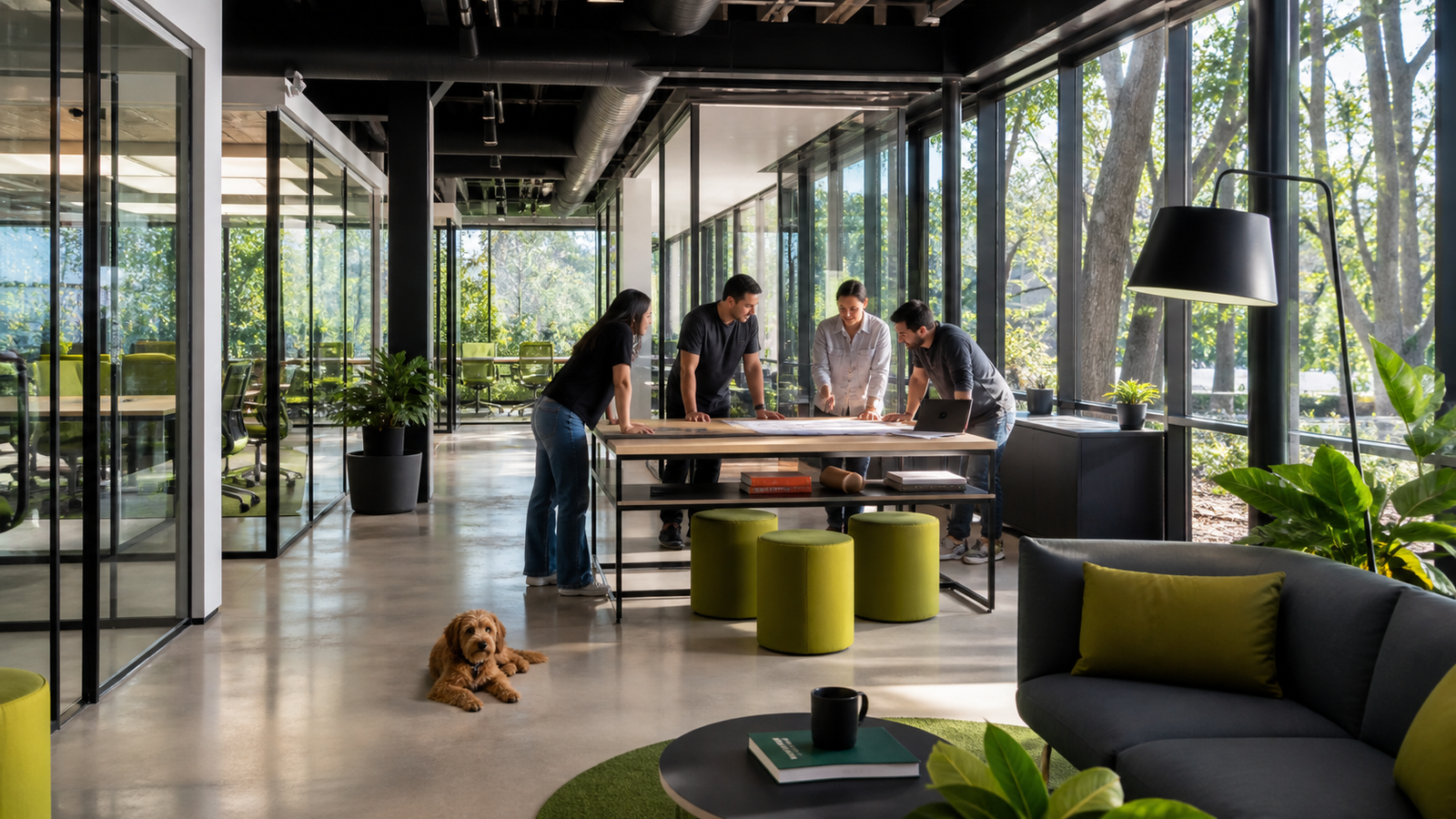
Robinhood is presenting its offices as working infrastructure: places designed to shorten feedback loops, concentrate teams and make difficult product decisions in person. The emphasis is less on decorative perks and more on the kind of collisions that are difficult to schedule on a calendar.
Space as an operating choice
As technology companies continue to renegotiate remote work, Robinhood’s message is clear about the role it wants offices to play. Physical proximity is being tied to a high-performance culture and an ambitious roadmap. Whether that promise holds depends on management habits, but the workplace itself is being designed to make collaboration visible and frequent.
HoodWire context
Robinhood’s office strategy treats physical space as a tool for faster decisions and stronger team identity. Shared project areas, meeting rooms and informal gathering points can make unplanned collaboration more likely, especially when product, engineering, legal and operations need to resolve a complicated issue together.
The building cannot create collaboration on its own. Teams still need clear agendas, accessible documentation and norms that include colleagues working in other locations. A successful office model should add value to focused work rather than requiring presence as a substitute for good management.
The full story
Robinhood describes its offices as places built to concentrate difficult work. Product launches often require engineers, designers, legal teams and operators to make connected decisions quickly. Shared project rooms and informal meeting areas can reduce scheduling delays and make unresolved questions visible to the people who can answer them.
Physical proximity works best when it complements good documentation and clear ownership. Teams distributed across offices still need records that survive a meeting, and employees doing focused work need more than constant collaboration. The design challenge is therefore operational: create spaces for fast alignment without turning presence itself into the measure of performance.
What to watch
Watch how the company distributes teams among Menlo Park, Bellevue, New York and other hubs, and whether job listings reveal a stronger location strategy. Employee feedback and retention will be better evidence of impact than architectural photographs alone.
The bottom line
The office strategy reflects Robinhood’s preference for speed and in-person impact. Its success will be visible in how well teams coordinate across locations and sustain demanding product work.